
fibona Lab
Banbutsu Nanko" — A Fragrance Evoking Nature:
The Birth of a Lifestyle Item Co-Created with Consumers
2026.08.25
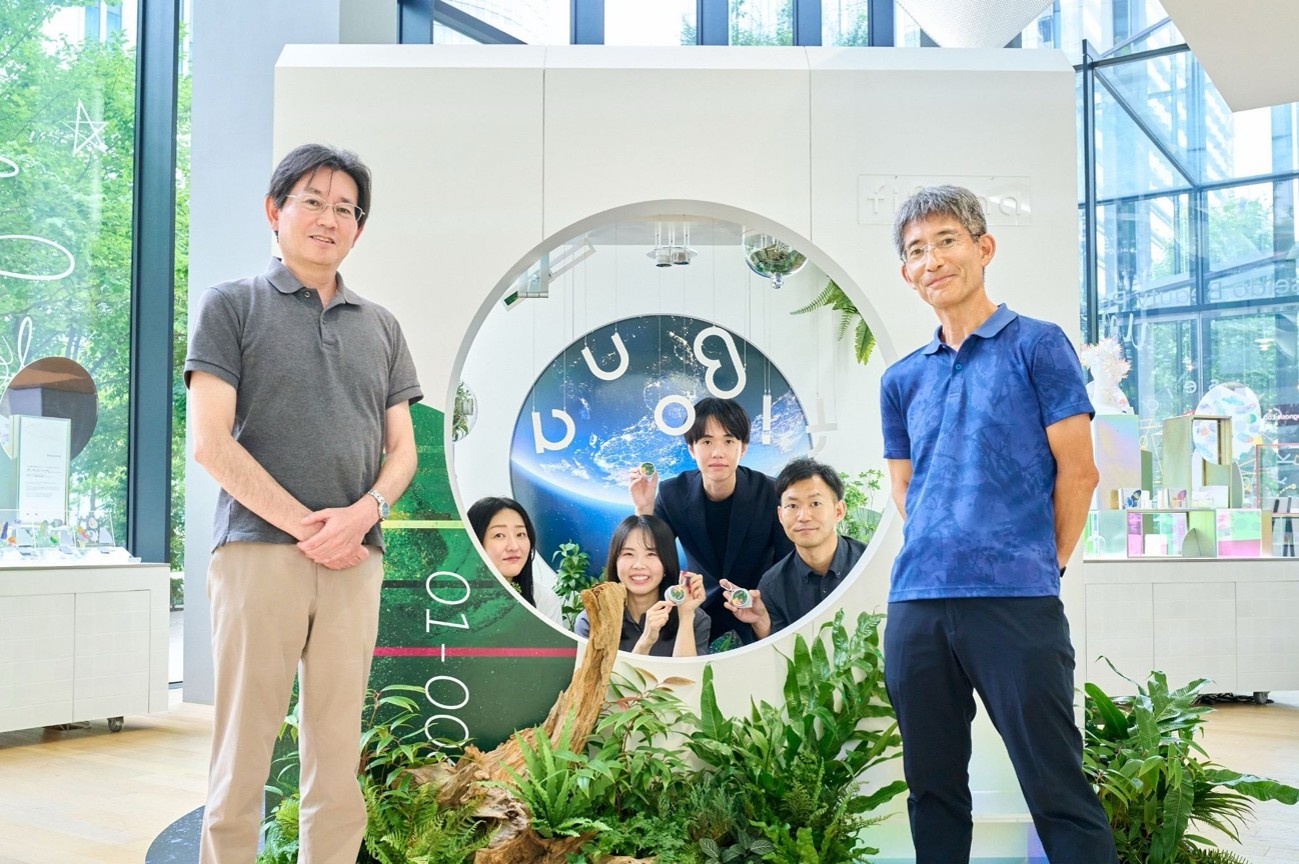
Beauty products co-created around the theme of ‘unprecedented innovation’ sent forth by ‘fibona,’ Shiseido Beauty Innovation Hub’s open innovation program. In May 2026, fibona launched ‘Banbutsu Nanko’.
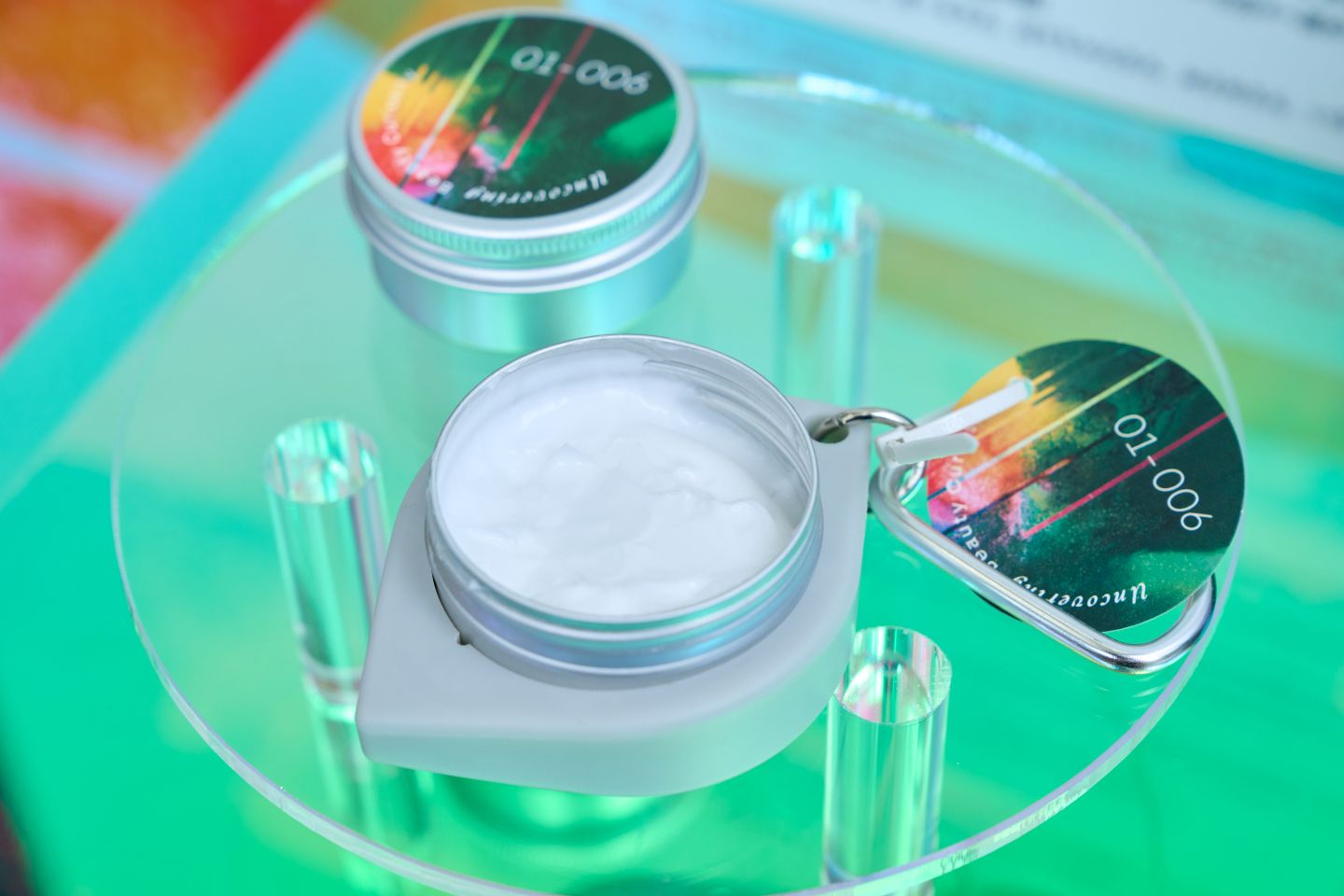
Banbutsu Nanko is an ointment-type cream with a novel texture, born from the concept of ‘protecting skin even in extreme dry environments like outer space.’ While designed with specifications that make it usable even inside the Japanese Experiment Module ‘Kibo’ on the International Space Station (ISS), it is engineered to enrich daily life back on Earth.
Delivering moisture while shielding the skin, Banbutsu Nanko features a distinct fragrance that subtly evokes a sense of nostalgic nature. How did this lifestyle item—which transcends simple moisture care—come into existence through trial and error? We spoke with the six researchers at fibona who led its development.
Based on the Concept of an Ointment That Instills ‘Reassurance and Trust’
―― Could you start by introducing yourselves and sharing your respective roles in the ‘Banbutsu Nanko’ project?
Koshima:
I’m Koshima, in charge of product planning for Banbutsu Nanko. My role was to figure out how to package and present this multifaceted product—with its distinctive fragrance and texture, high versatility in usage, and external co-creation—into a cohesive single product. After specializing in fragrance research and development, I am currently working on creating new value through global collaborations.

Sakiyama:
I handled technical information development, translating the product’s appealing features and technology into clear, consumer-friendly insights. As Koshima mentioned, my focus was on synthesizing these various elements into a unified concept from a technical communication standpoint.
Nishimura:
I was responsible for formulation development in skincare. Banbutsu Nanko is formulated to meet specifications that allow it to be used inside the ISS ‘Kibo’ module. My role was to verify quality maintenance and compatibility with the container and charm. Having returned from maternity leave last year, this was the first project I took on, so it holds a very special place in my heart.
Morishita:
I’m Morishita from the Fragrance Development Department. Previously, Koshima and I worked on ‘recreative fragrances’—analyzing and recreating natural scents like flowers. Banbutsu Nanko was a totally different challenge compared to our past work. I focused on creating an entirely new, unprecedented fragrance from scratch, visiting temples for inspiration. When you actually smell it, you’ll notice right away how uniquely crafted it is.
Suzuki:
I worked on the exterior design of the main container. This was my first time participating in a fibona product project, and I’m thrilled to have launched my very first project into the world.
Sato:
I was in charge of developing the charm. Around 2025, ‘charm cosmetics’—beauty items attached to bags or pouches for on-the-go carry—became a trending phenomenon originating in South Korea. I wondered if we could leverage this trend at fibona, where agile manufacturing is a core strength. The idea aligned exceptionally well with the concept of Banbutsu Nanko, so I joined as the charm developer alongside Suzuki, who designed the container itself.
‘Banbutsu Nanko’ sounds like a product created on a grand scale. What core concept inspired its creation?
Koshima:
First, when we decided to launch a product suitable for use inside the ISS ‘Kibo’ module, we thought deeply about what kind of value we wanted to deliver to customers. We realized the importance of balancing functionality with sensory appeal—creating an ‘amulet-like item’ that people could use anytime, anywhere. That line of thinking naturally brought us to the idea of an ‘ointment’ (Nanko).
Ointments are trusted, versatile remedies used across all ages and genders. They stay close to our daily lives almost like a reassuring ritual. Finding that intrinsic nature of ointments intriguing, we made it our starting point. Furthermore, because fragrance plays such a defining role in this product, we replaced the character for ‘膏’ (ointment) with ‘香’ (fragrance) to coin the word ‘軟香’ (Nanko – Soft Fragrance).
The word ‘Banbutsu’ (All Things / Creation) reflects not only the connection between outer space and Earth, but also the background of our fragrance creation. Morishita and I were researching various scents found in nature, and we drew inspiration from incense we encountered at a certain temple. In Japan, fragrance has long been used to harmonize the body, mind, and space. To capture this epic scale of ‘Natural Wisdom × Outer Space,’ we arrived at the name ‘Banbutsu’.
Inspired by ISS ‘Kibo’ Specifications and Incense Encountered at a Temple
――What are the key formulation characteristics of Banbutsu Nanko’s cream?
Nishimura:
Using a cream inside the ISS ‘Kibo’ module required meeting strict conditions to ensure it wouldn’t affect the delicate precision instruments onboard. This presented unique constraints unlike standard skincare items. The previous developer worked through extensive trial and error to perfect this formulation.
A key textural feature is that it doesn’t sink in too quickly or completely. If a cream absorbs completely, it fails to form a protective barrier on the skin’s surface, leaving it vulnerable to external stressors. While it does contain absorbing moisturizing ingredients, it is engineered to leave a protective veil on the surface longer than typical skincare creams. This substantial, rich texture embodies the essence of an ointment and enables it to safeguard the skin across diverse environments.

――It certainly has a rich texture. When applied, it releases a striking scent that naturally makes you want to take a deep breath. What vision guided the fragrance formulation?
Morishita:
As fragrance researchers, our day-to-day work usually revolves around universally popular scents like floral-fruity or floral-green notes. However, since those scents already exist in abundance, we wanted to take on the challenge of creating a highly distinctive, original fragrance unlike anything else. Our biggest inspiration came from Mount Koya in Wakayama Prefecture.
Koshima:
Mount Koya has a long history grounded in the syncretism of Shinto and Buddhism, embracing diverse values to cultivate harmony. That philosophy deeply resonates with the world-view of this product.
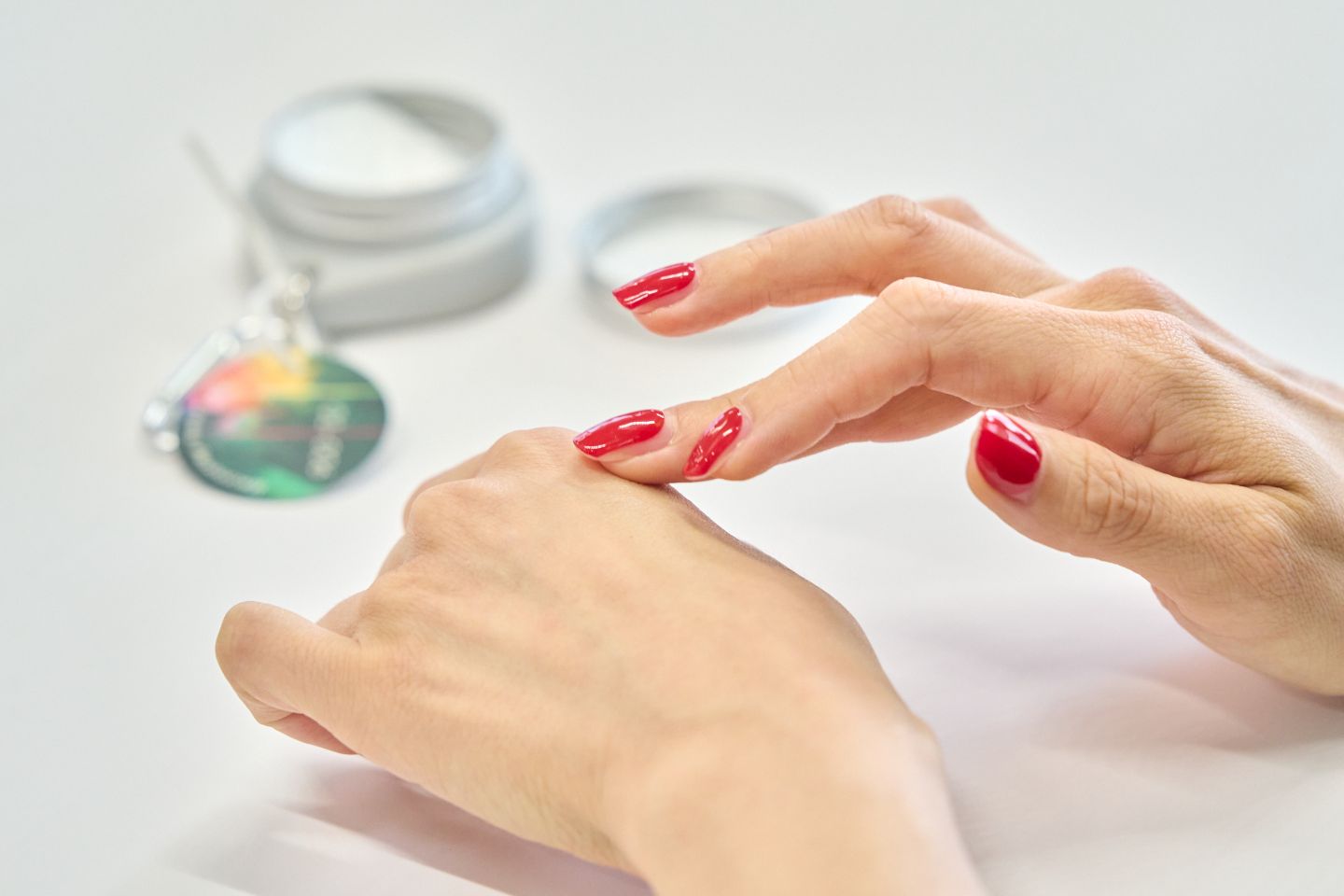
Our hint came from ‘Zuko’ (body incense powder), used for purification. Unlike incense burned with fire, Zuko consists of powdered aromatic botanical materials. Applying a small amount to the hands and rubbing them together gently releases the scent through body heat. In temples, it is applied to hands or chest to purify body and mind or used during sutra chanting.
Morishita:
The primary scent profile is Woody-Spicy. The woody tone centers on sandalwood, while the spicy character features ingredients traditional to Oriental medicine, such as star anise and clove, resulting in a spice-forward composition. Having the opportunity to commercialize a scent like this was incredibly rewarding.
――It indeed evokes a sense of nostalgia, though it seems like a scent that might divide preferences.
Morishita:
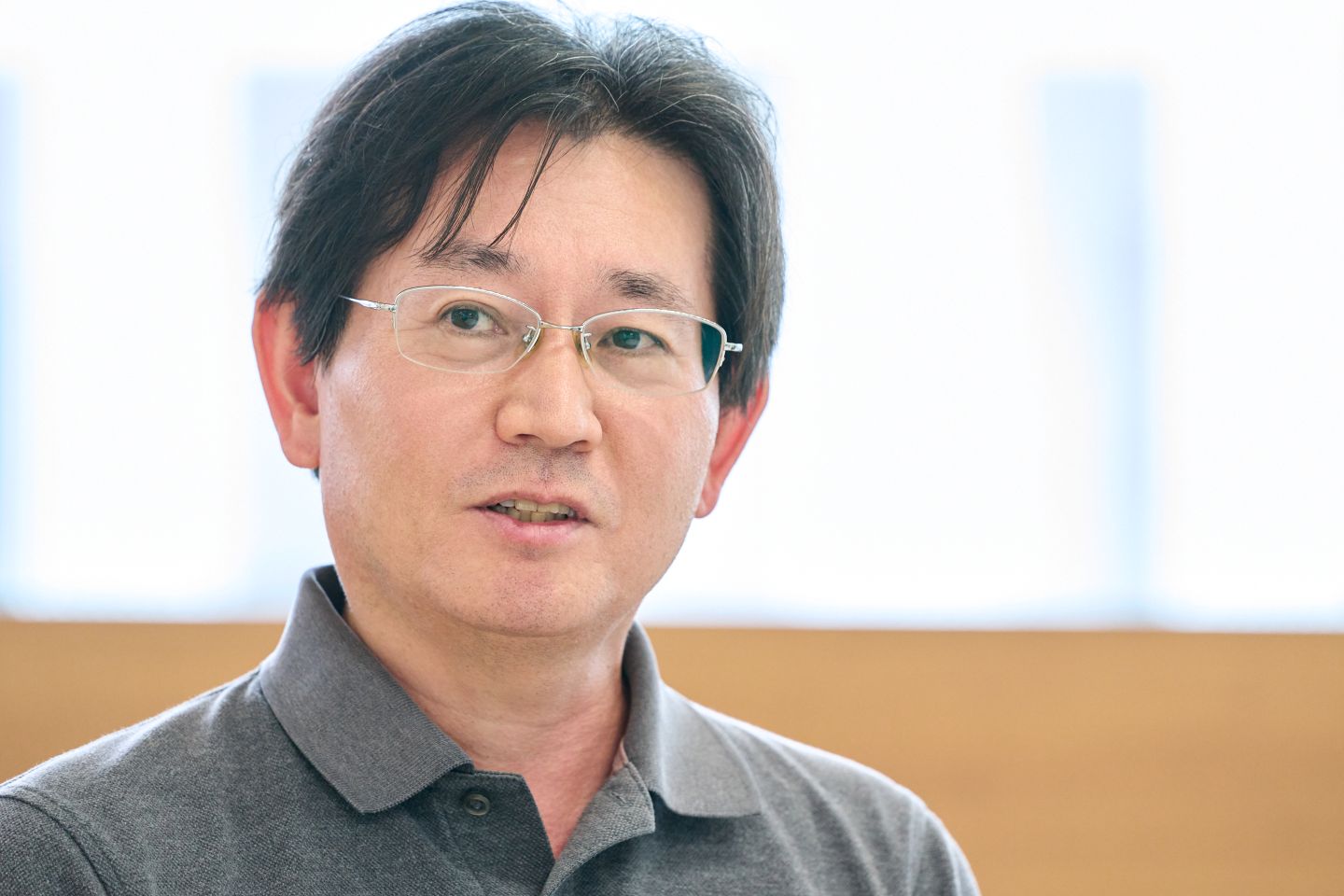
And that’s precisely its strength. Daily essentials like shampoo should have scents that appeal to everyone, but in the realm of fine fragrance, true value lies in scents that evoke strong, clear passion—either love or dislike. A fragrance that is merely ‘acceptable’ ultimately gets forgotten. We aimed for a scent that people who love it will absolutely adore and consider indispensable.
Insights Gained from Co-Creation Workshops with Consumers
――We understand this was fibona’s first time hosting a co-creation workshop prior to product launch, inviting consumer members from the online community ‘Club fibona’.
Sakiyama:
Given its space heritage and the grand narrative behind the fragrance, this product possessed immense potential. We felt it would be a missed opportunity if we determined its direction entirely on our own.
So, during the development phase before launch, we invited members of ‘Club fibona’ (https://clubfibona-members.jp/) to a joint planning session. In a workshop setting with researchers, participants tried the product before labels or final packaging were even created. Together, we discussed preferred usage scenarios and target body areas.
――How did the participants react?
Sakiyama:
We received authentic feedback closely tied to daily living, such as ‘I feel stressed at work, so using this during breaks helps me refresh’ or ‘I’d love to use it to unwind before sleep.’ This gave us clear validation of the product’s potential. Participants were overwhelmingly positive about both the fragrance and texture. It gave us great confidence to know that the direction we had been refining—ensuring a comfortable user experience even in space—was on the right track.
Koshima:
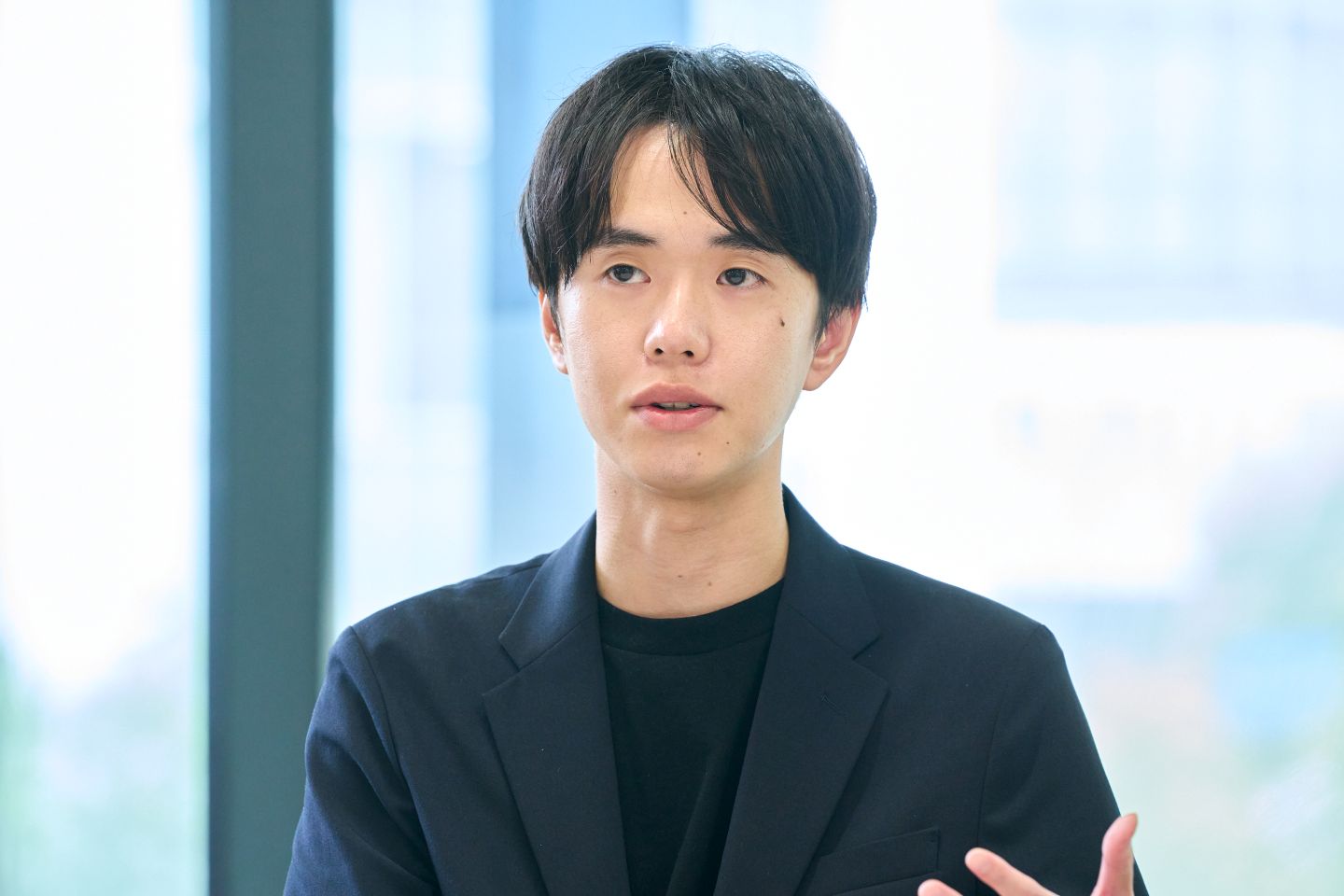
Regarding fragrance, among about ten participants, exactly one person honestly shared, ‘I personally don’t like this scent, so I wouldn’t purchase it.’ That feedback was incredibly valuable and fascinating. It proved what Morishita and I had hypothesized: it’s a scent that captivates certain people deeply, even if it’s not for everyone. That insight was a major learning moment for planning our retail presentation.
―― Did the direction shift after the consumer workshop?
Koshima:
Rather than changing direction, it inspired what we created next. We tested ways to communicate ‘usable anytime, anywhere’ through tangible gestures and rituals. One participant shared, ‘As a dental hygienist, I can’t wear perfume at work. But applying this to my fingertips is something I can do when taking off my gloves, and washing my hands afterward means it won’t affect my next patient.’ Recognizing the need to keep usage flexible allowed us to design a versatile concept capable of welcoming diverse daily routines.
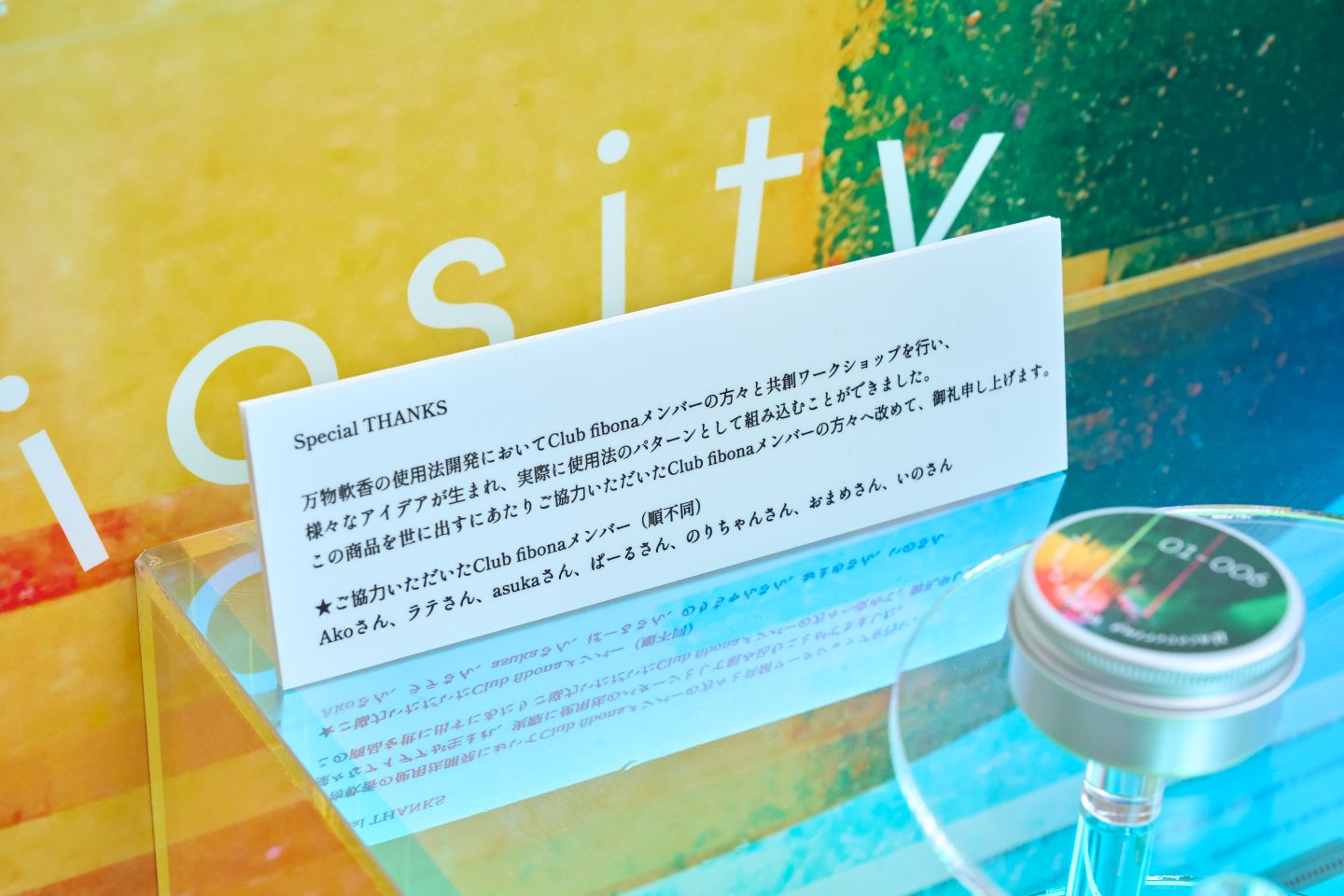
We listed the participants’ names under ‘Special Thanks’ at the fibona Lab store. We also shared behind-the-scenes visual shoots on Club fibona, and some members even reported purchasing the product after launch. Building this product together through dialogue was a joy, and we look forward to nurturing the connections formed through this experience.
Developing a Portable ‘Charm’
――What design details were incorporated into the container and outer packaging?
Suzuki:
The starting point for the container design was determining how to embody the concept of suitability for the ISS ‘Kibo’ module. We explored various materials, including resins, but focused on aluminum as it best suited the concept of an item carried into unexplored environments.
Beyond its functional protective qualities, the metallic texture subtly evokes a spacecraft while remaining comfortable in hand and fitting effortlessly into daily life. It’s simple, yet something you naturally want to carry every day.
For the outer box, we considered a full enclosure for the jar. However, from a sustainability perspective and to highlight the metallic texture without hiding it, we designed a minimalist sleeve that leaves the container visible.
Koshima:
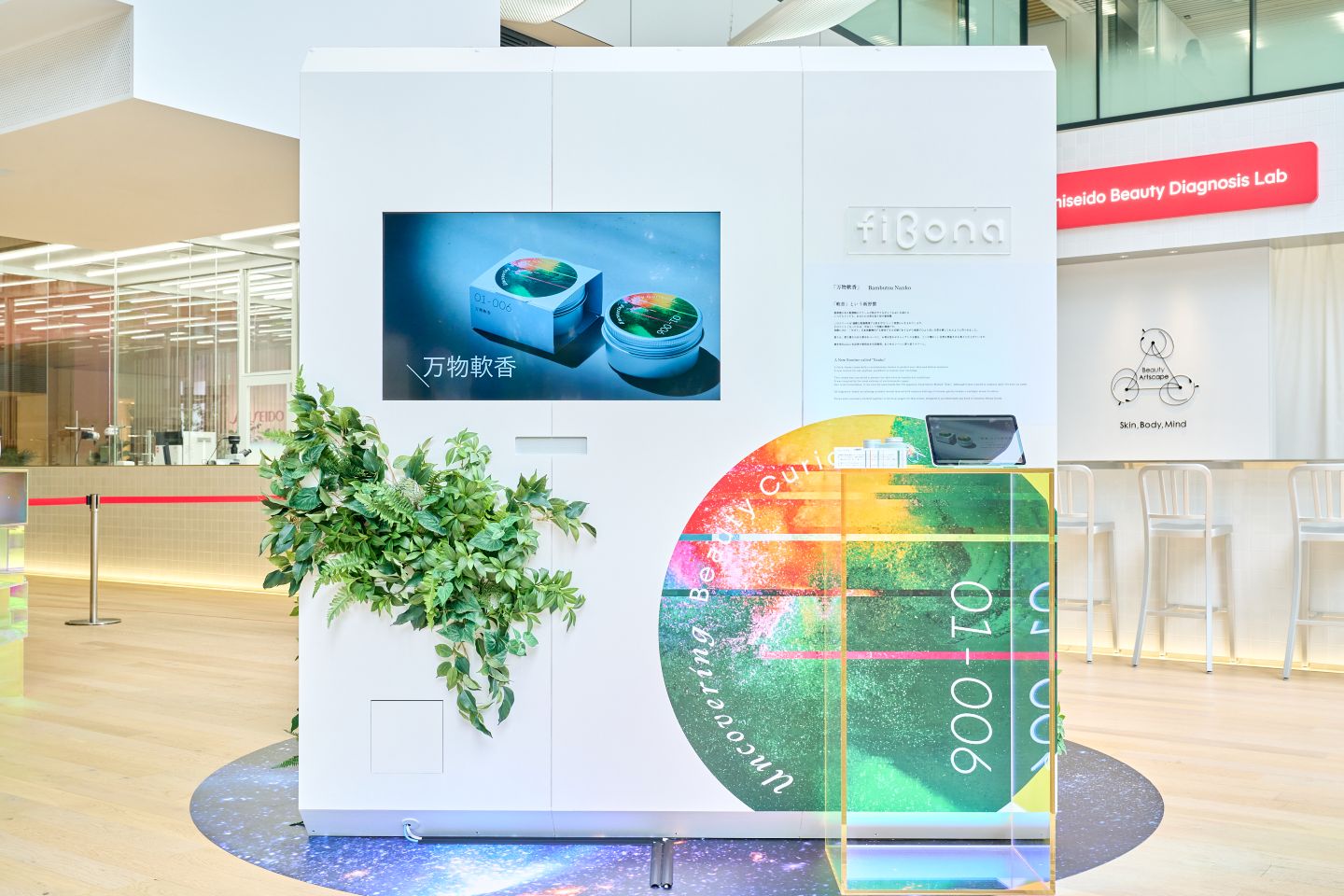
We also poured immense effort into the package design. Because ‘connecting space and Earth’ is the core narrative of Banbutsu Nanko, we wanted to include green to evoke the vitality of Earth and nature. Rather than a bright, fresh green, we sought a deep green reflecting Japanese spirituality. After having the designer experience the scent and texture, we tested numerous green shades before landing on this final hue. Vivid accent colors represent vitality and the spirit of challenge. The large circle in the center symbolizes Earth as seen from an ISS window.
―― Could you also tell us about the dedicated charm (keychain)?
Sato:
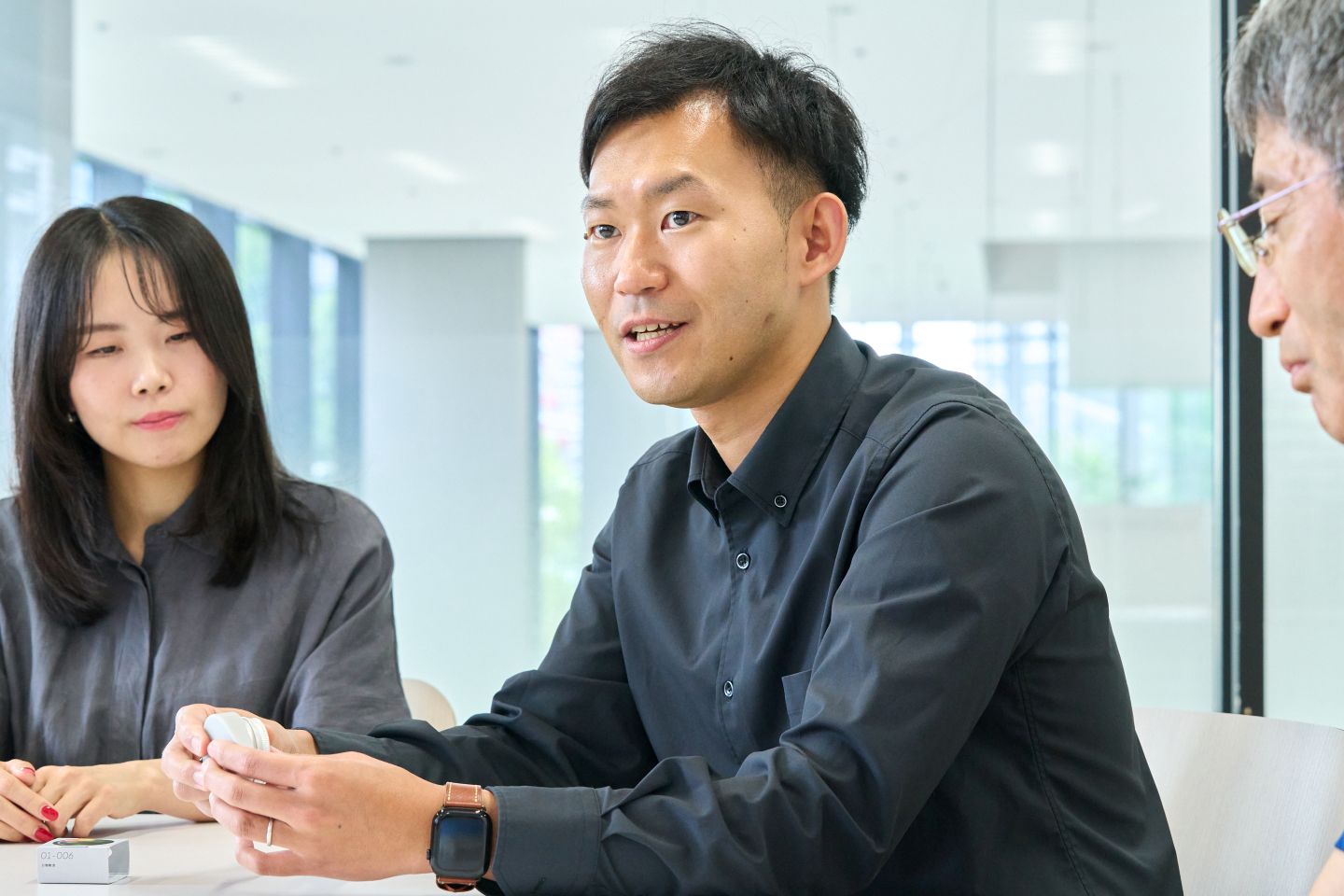
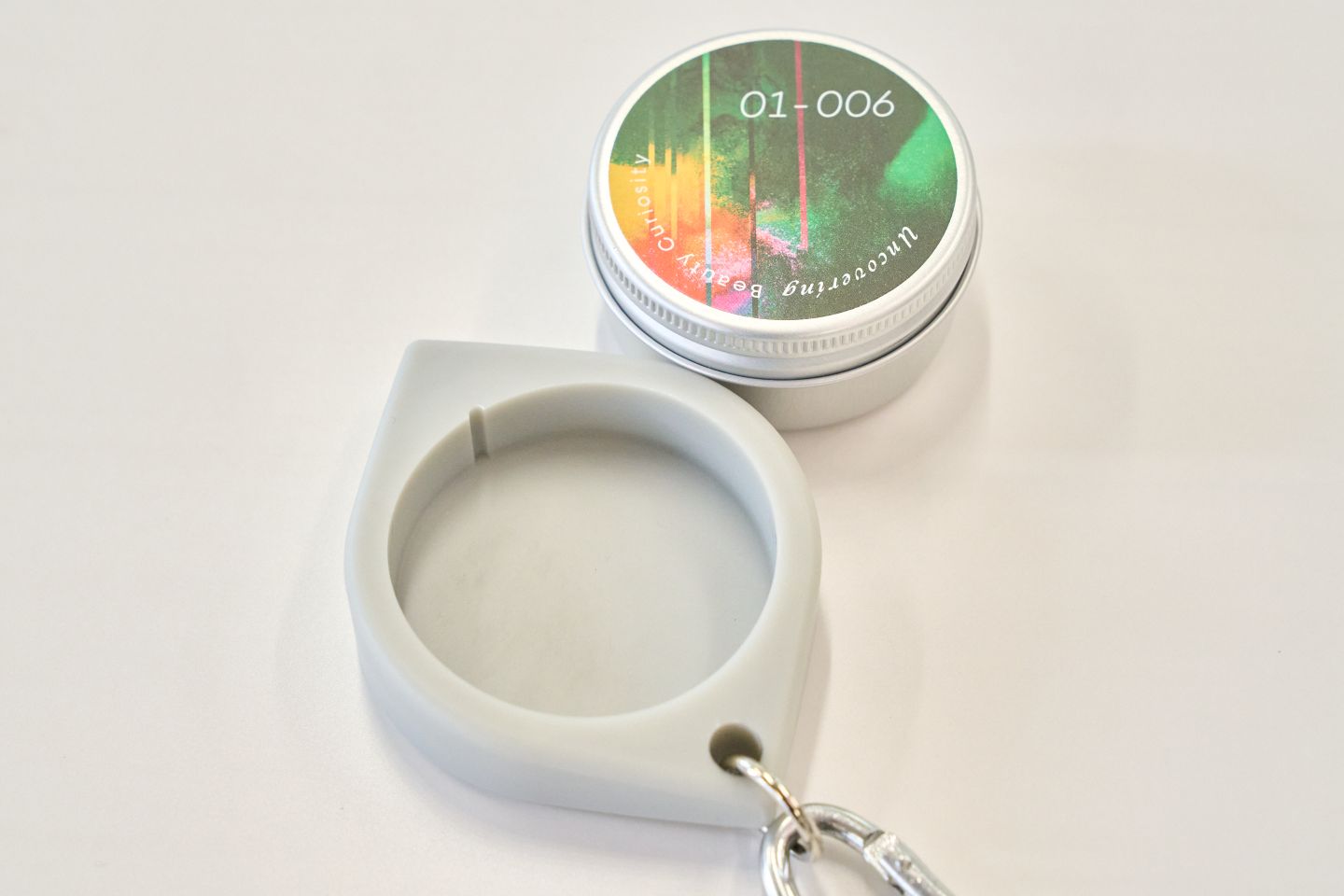
As mentioned earlier, the charm was inspired by Korean beauty trends. While similar items exist, many lack air release pathways, causing containers to pop back out when inserted. For this design, we added a single air-release slit.
Sato:
The holder is made of silicone rubber with a high hardness spec to ensure the container won’t fall out while being carried. We intentionally designed the holder height so it doesn’t cover the lid, allowing users to open and close the jar while attached. The grey color mirrors fibona’s brand identity.
While standard aluminum carabiners have inherent strength limitations, we provided clear usage guidelines. It has undergone rigorous durability testing, ensuring safe and reliable daily use.
Enriching Daily Life: A New Challenge Born from Trial and Error
―― In closing, who would you like to reach with ‘Banbutsu Nanko’, and what are your hopes for the future?
Morishita:
As a fragrance developer, I hope those who fall in love with this scent make it a lasting part of their lives—an amulet to turn to when feeling down. Creating an original fragrance that could only be crafted here was a deeply rewarding challenge.
Nishimura:
Products without predefined rigid uses are rare in skincare. That’s why I’m eager to see how consumers embrace Banbutsu Nanko and make it their own. From a formulation standpoint, I’m excited to watch its journey unfold.
Sakiyama:
Focusing on mind and sensibility alongside skin and body has always been a core value at Shiseido research. If this product expands holistic approaches and lifestyle beauty, enriching consumers’ daily lives, our collective effort will have been deeply meaningful.
Suzuki:
As my first fibona product, I hope it becomes a comforting presence in people’s daily lives. Experiencing a faster product development cycle was invaluable, and I look forward to applying these insights to future projects.
Sato:
I would love to see the charm concept expand to other product lines. Although this release is limited in quantity, I hope it reaches a wide audience.
Koshima:
Banbutsu Nanko is the culmination of passion and energy from everyone here and many collaborators across teams. Fragrance, formulation, consumer co-creation, and packaging—every element represented a new frontier. Created through countless encounters and dialogues, I hope this product fosters new touchpoints with consumers and expands our circle of co-creation.
(text:Hanae Abe photo: Umihiko Eto edit:Kaori Sasagawa )